

San Eliseo Golf CourseModern Championship Golf South of Buenos Aires
A bold modern course shaped by expansive lakes, white-sand bunkers, Tifway fairways and the influence of Roberto De Vicenzo — built for golfers who enjoy risk, precision and a serious championship test.
*Championship rating/slope from current specialist listings. Exact tees, services and access are reconfirmed for each requested date.
What Is San Eliseo Golf Course?
San Eliseo Golf & Country Club is an 18-hole, par-72 championship-style course in the southern Buenos Aires golf corridor, near San Vicente and the Canning area. Argentine Golf Agency's current course page lists carts, trolleys and visitor operation from Tuesday through Sunday, while specialist course references publish approximately 7,051 yards from the championship tees with a course rating of 73.7 and slope of 128.
The course is strongly associated with Roberto De Vicenzo and is repeatedly described as a layout he regarded as a dream golf course. It was developed to USGA specifications and is known for broad Tifway fairways, large water features, white-sand bunkers and a modern construction philosophy designed to create consistent playing conditions.
For international golfers, San Eliseo can be a particularly useful round because it offers a different experience from Buenos Aires' historic private clubs. The landscape is more open, the water hazards are more visible, the conditioning is modern in character and carts are listed as part of the current setup. That combination can make it attractive for mixed-handicap groups, golfers who prefer riding, and itineraries that need a high-quality alternative on days when older member clubs have access restrictions.
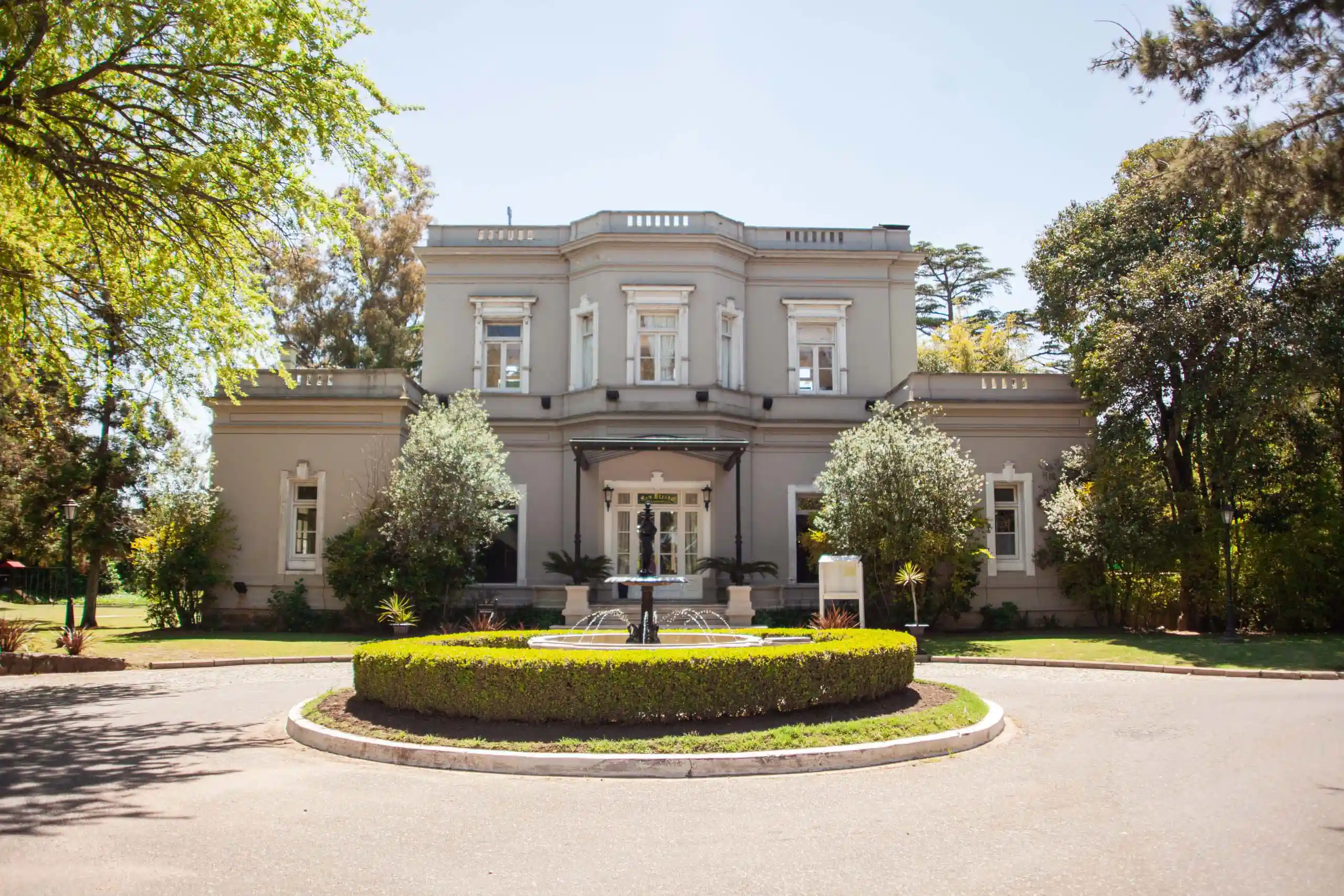
Why San Eliseo Deserves More Attention from International Golfers
San Eliseo is not always the first Buenos Aires course an overseas traveler searches for, but it can be one of the most practical and enjoyable additions to a multi-round program. The course has enough length to challenge strong players, yet multiple tees allow the round to remain playable for mid- and higher-handicap golfers.
Its identity is immediately visual. Expansive fairways are broken up by white bunkering and large lakes. Water comes into strategic play rather than appearing only as decoration, which means tee placement and approach angles matter. A powerful golfer can try to shorten holes, but the safer route often produces a better score if the aggressive line brings water into play.
San Eliseo also contributes variety. Jockey Club is a historic architectural experience. Olivos has classic championship-club character. Buenos Aires Golf Club has major tournament recognition. San Eliseo feels more modern, more open and more engineered around water, turf technology and tournament-ready conditioning. A strong Buenos Aires itinerary should use those contrasts rather than selecting four courses that feel too similar.
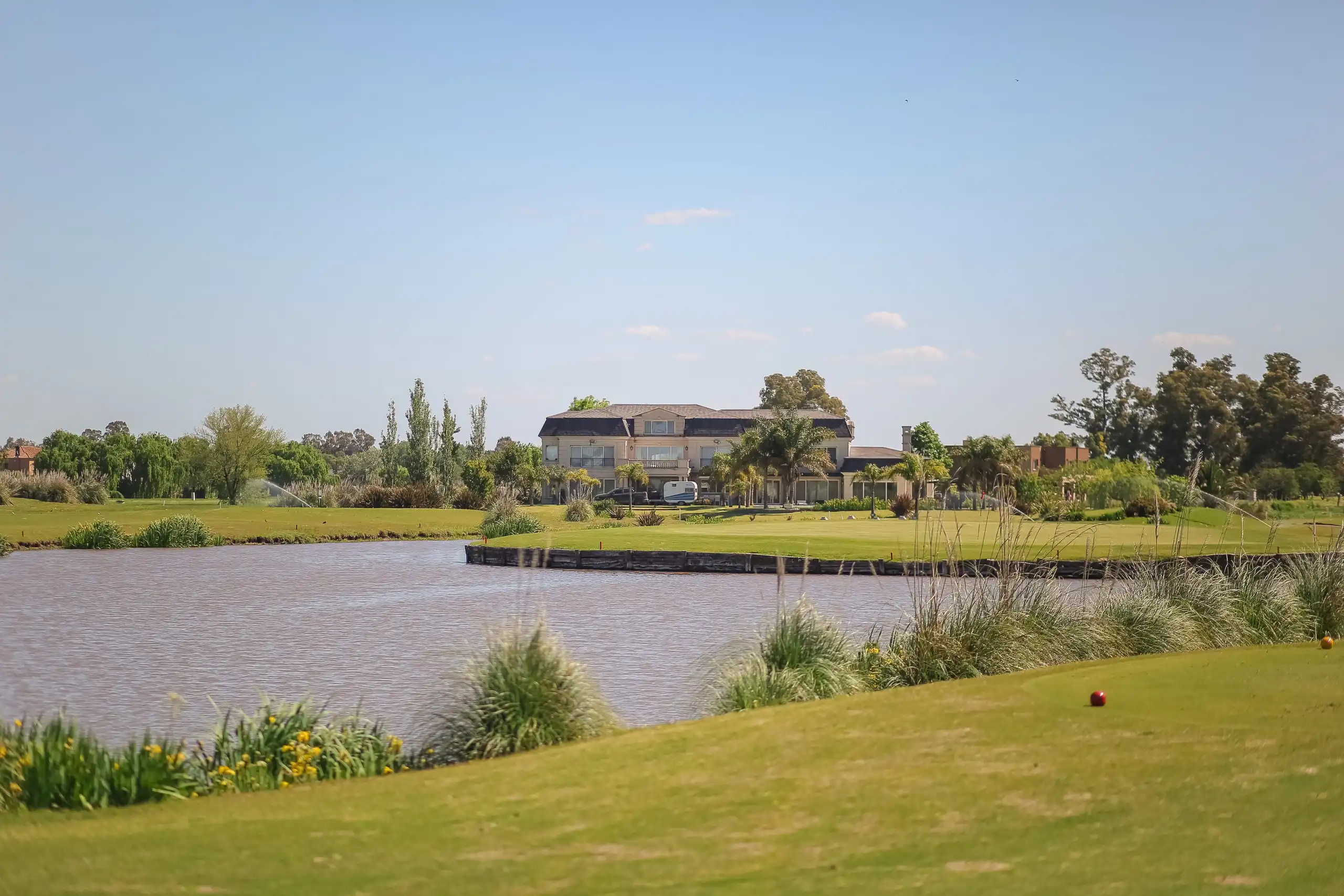
The Numbers That Matter Before You Book
The current AGA listing gives the core operational facts: 18 holes, par 72, carts available, no standard caddie service listed, trolleys available and opening days from Tuesday through Sunday. Specialist references list the championship course at 7,051 yards, rating 73.7 and slope 128. A medal tee is also commonly listed at 6,649 yards with rating 71.6 and slope 125.
Those numbers tell us something important about how the course should be played. A 7,000-yard layout at slope 128 is a legitimate test, but it is not designed only for elite golfers. Moving forward to the medal tees changes club selection substantially while preserving the strategic value of the hazards. For mixed groups, that flexibility is a major advantage.
The practical advice is simple: choose tees based on handicap and typical carry distance, not on pride. San Eliseo has enough water and bunkering that playing too far back can turn a strategic round into a succession of forced carries. From the correct tees, the same architecture becomes much more enjoyable.
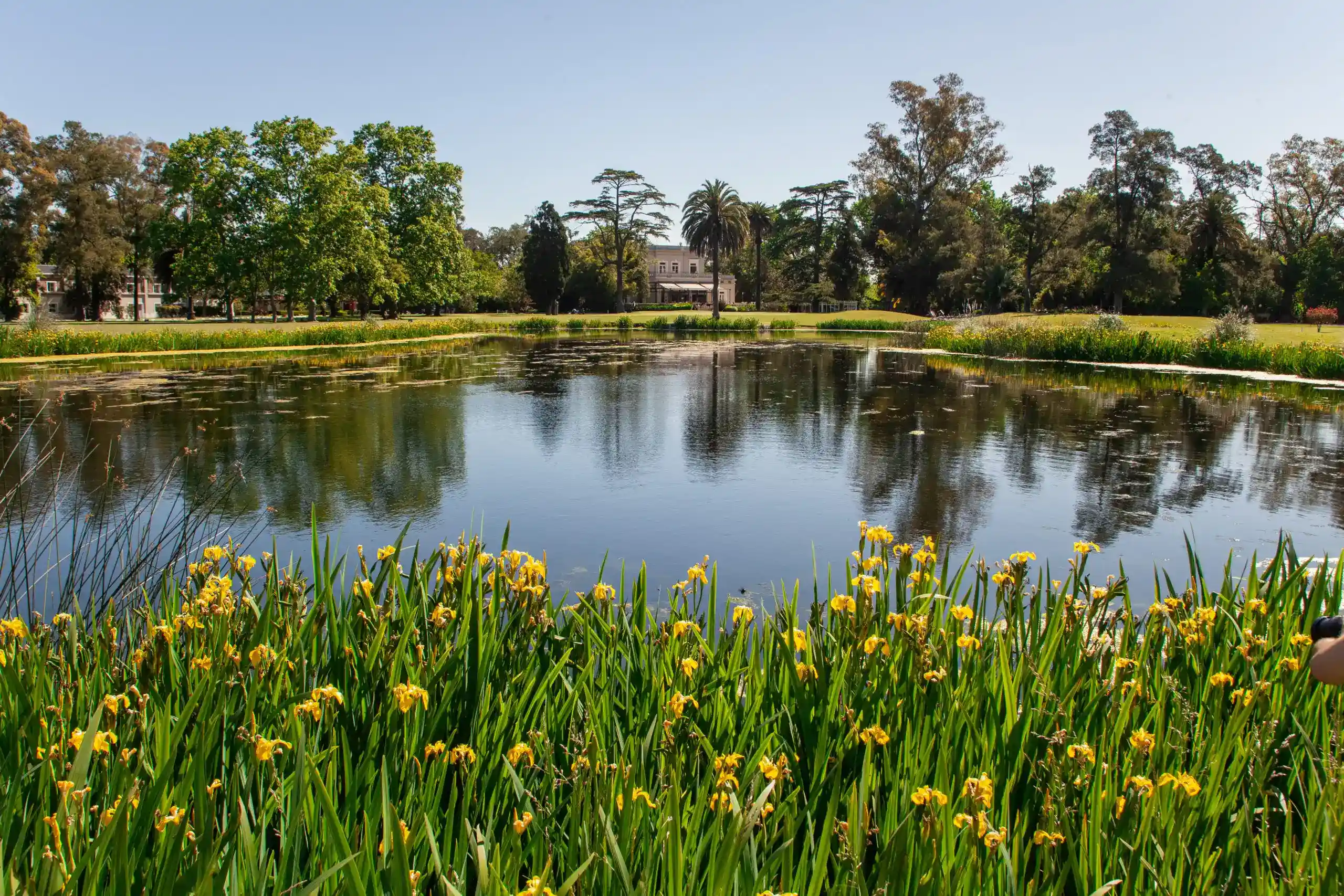
USGA Construction, Tifway Fairways and White-Sand Bunkering
San Eliseo's modern character begins with how the course was built. Both AGA and independent golf references describe the layout as developed to USGA specifications. That construction standard is significant because drainage, green performance and sub-surface preparation directly affect how a course plays through changing weather.
The fairways are described as Tifway, a warm-season Bermuda hybrid valued for creating dense, resilient playing surfaces. The putting surfaces are often described in specialist sources as bentgrass or agrostis-based. Combined with irrigation and drainage technology, this creates a different agronomic profile from many older Buenos Aires clubs.
Visually, white-sand bunkers provide strong definition from the tee and on approach shots. The bunkering is not simply cosmetic. It frames preferred lines and can penalize players who try to overpower the course without respecting angles. When paired with broad fairways, this creates an appealing strategic contrast: there may be room to drive, but not every part of that room leaves the same next shot.
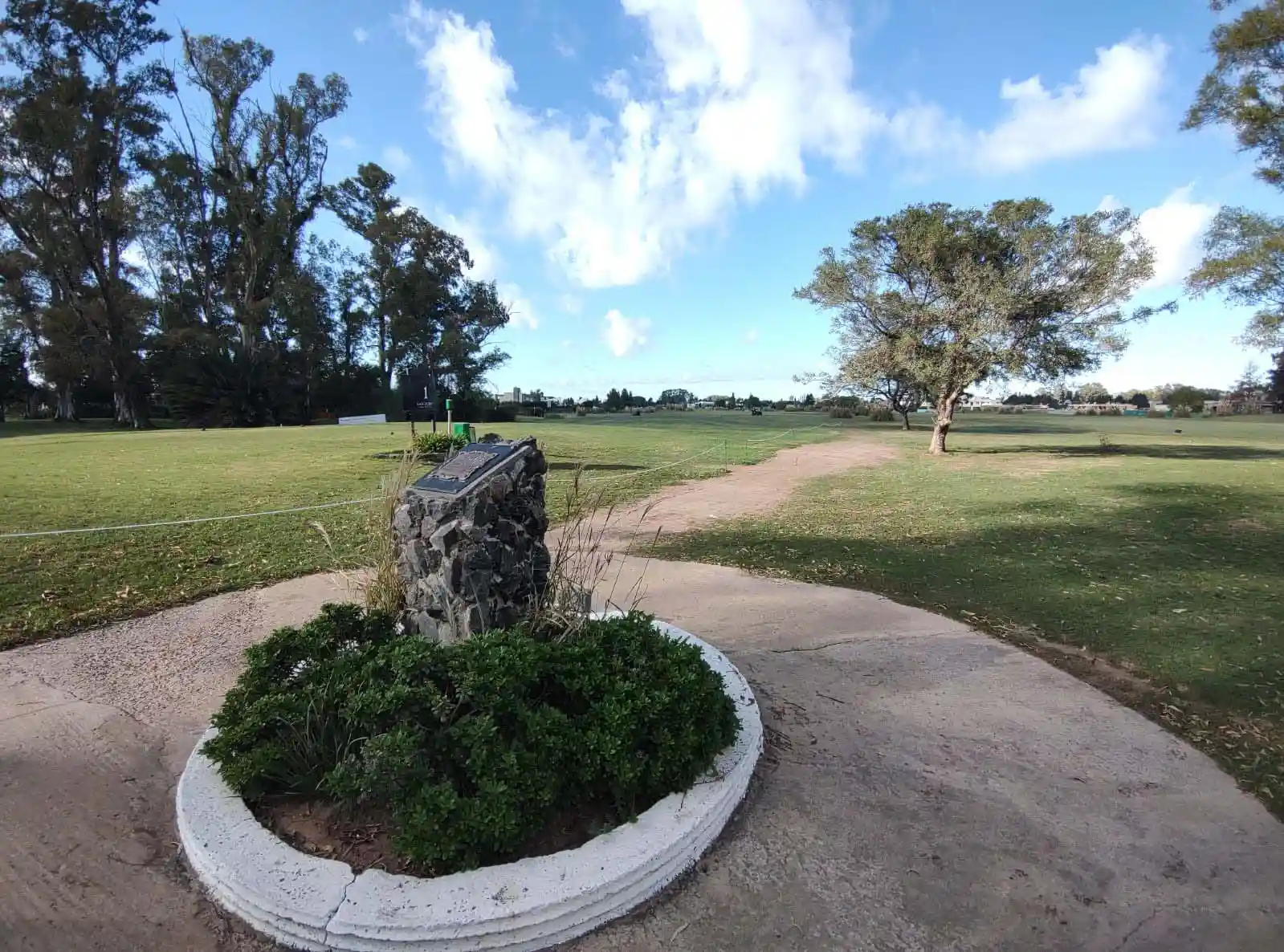
Lakes That Influence the Round, Not Just the Photographs
Large lakes are one of San Eliseo's defining characteristics. Multiple references emphasize water as a major strategic element, and some older course descriptions note an interconnected lake system influencing a large number of holes. Exact hole-by-hole water counts vary across published sources, so the safer conclusion is that water is a recurring and meaningful feature throughout the routing.
That matters for visiting golfers because water changes decision-making more than raw yardage. Tee shots that appear inviting can carry a much larger penalty if pushed or pulled toward the wrong side. On approaches, attacking a tucked flag may make little sense when the center of the green removes the large number from the scorecard.
For match play or a group competition, San Eliseo can be particularly entertaining because risk-reward moments create natural swings. One player can take on the aggressive line while another lays back, and the hole is not decided until both approaches are finished.
The De Vicenzo Connection
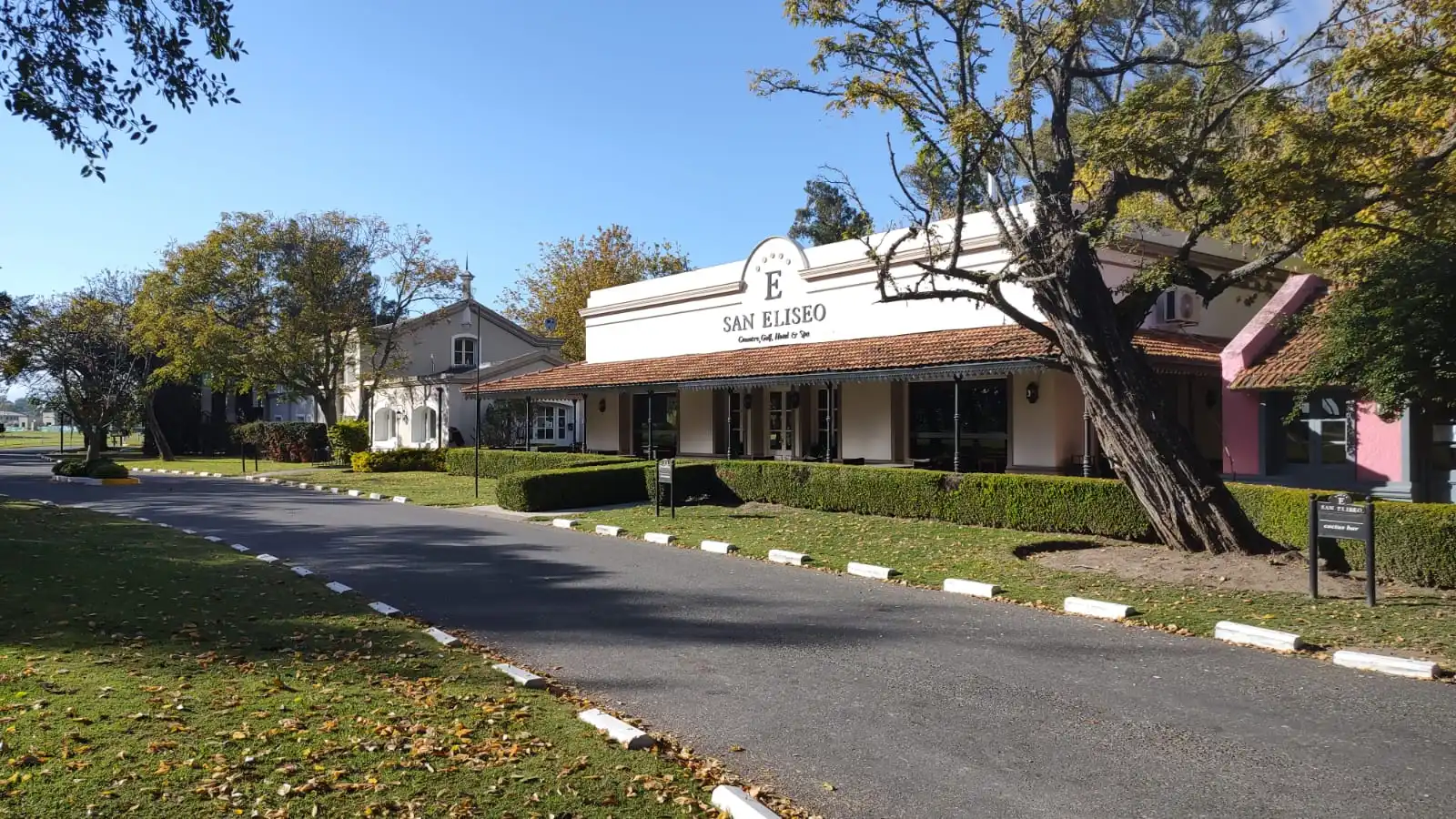
Roberto De Vicenzo is impossible to separate from the story of Argentine golf, and San Eliseo uses that connection as part of its identity. De Vicenzo won The Open Championship in 1967 and became one of Latin America's most influential golfers. San Eliseo is repeatedly described in golf references as a course he admired deeply, and several sources associate him directly with its conception or design input.
For the international traveler, that association gives the day more context. Argentina golf becomes more meaningful when the courses are tied to the people who shaped the game locally. Ranelagh is the emotional home of De Vicenzo; San Eliseo represents a more modern vision connected with his ideas about what a serious championship course in Argentina could be.
This makes San Eliseo especially attractive to golfers who enjoy architecture, tournament history and the evolution of the game. The round is not merely a recreational stop outside Buenos Aires. It is part of a broader story about how Argentine golf moved from traditional club layouts into modern championship construction.
The Closing Holes and a Finish That Rewards Discipline
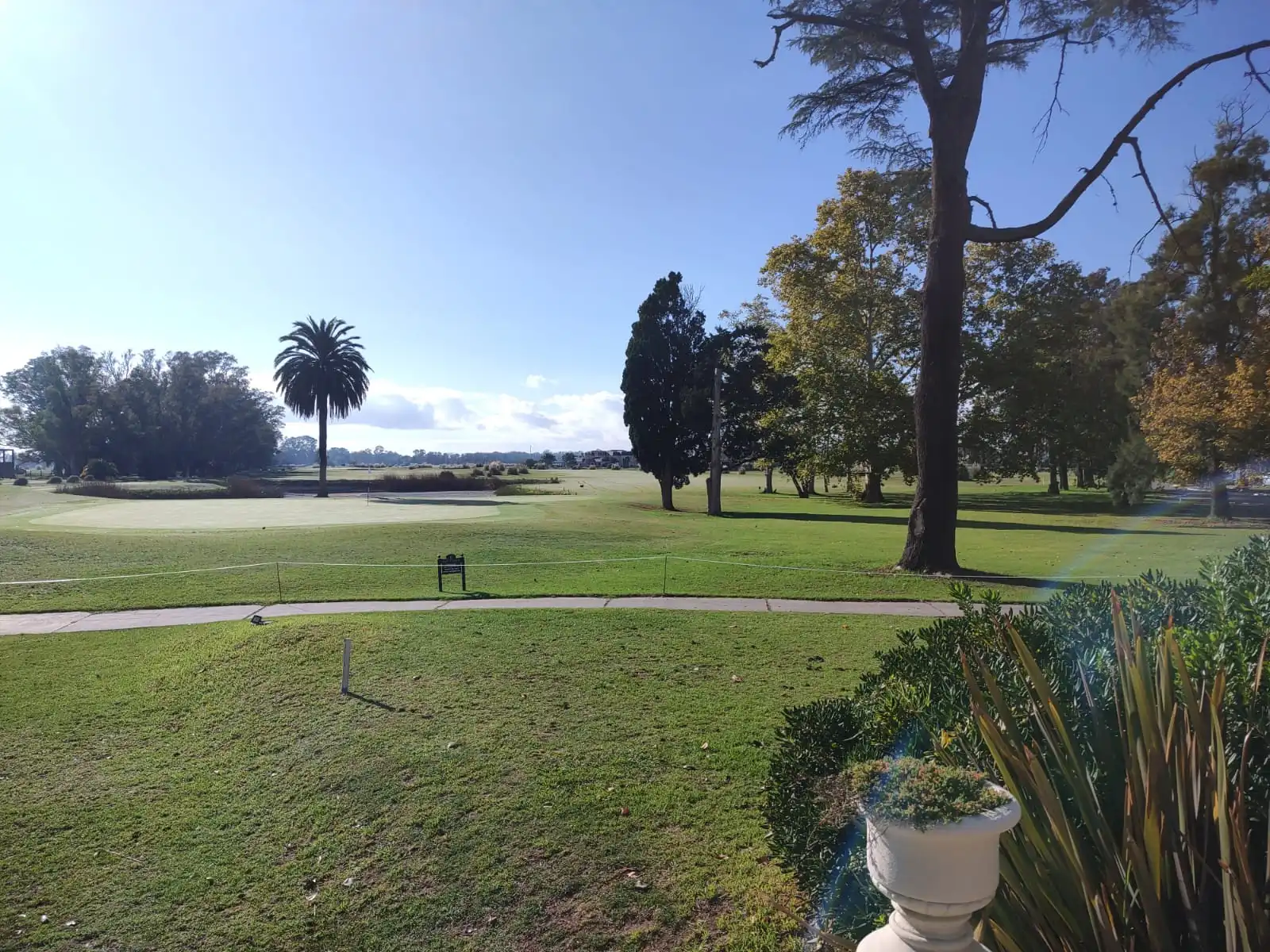
Specialist course descriptions often point to the closing stretch as one of San Eliseo's strongest features. Hole 17 is frequently described as a visually memorable hole with a peninsula-style green, while the final hole is a substantial par five that can become demanding when the wind is up.
That kind of finish is valuable because it keeps the round relevant until the end. A match that seems decided can change quickly if one player becomes too aggressive around water or misses a key fairway. Stronger golfers may see opportunities to finish with birdie; higher handicaps are better served by breaking the holes into manageable targets.
For international groups, memorable closing holes also matter emotionally. The final photographs, the last match-play decisions and the conversation entering the clubhouse often determine how a course is remembered. San Eliseo's water, bunkering and scale give the finish a sense of occasion.
Carts, Trolleys, Caddies and What to Confirm
AGA's current San Eliseo page lists carts as available, trolleys as available and caddies as not part of the standard setup. It also lists operation from Tuesday through Sunday. For golfers who prefer riding or who have mobility considerations, this can make San Eliseo easier to incorporate than some of Buenos Aires' more traditional walking-only environments.
Those details should still be reconfirmed for the requested date. Club operations can change because of competitions, maintenance, member events or seasonal conditions. International travelers should therefore avoid assuming that an online listing guarantees a particular tee time, cart quantity or service level.
For a professionally managed trip, we confirm the tee time, group size, transportation, mobility requirements and equipment needs before the golf day is treated as final. That is especially important for groups arriving with mixed preferences, where some golfers want to walk while others need carts.
Getting to San Eliseo from Buenos Aires
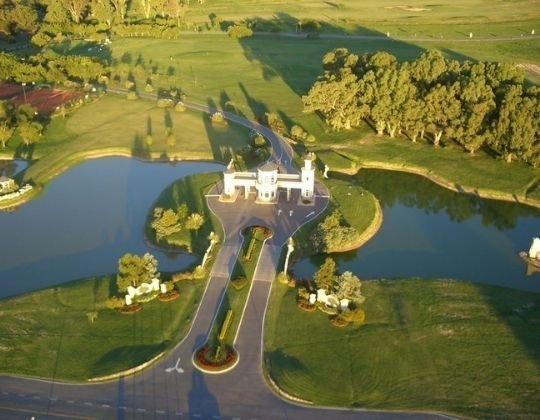
San Eliseo is in the southern Buenos Aires Province golf corridor, near San Vicente and the Canning area. Current specialist sources place it roughly sixty kilometers south of central Buenos Aires, while local property references describe the drive at around fifty minutes from the capital in favorable conditions. In reality, travel time depends on hotel location, weekday traffic and departure time.
For international golfers staying in Recoleta, Palermo or Puerto Madero, a private round-trip vehicle is the most practical setup. It keeps golf bags together, gives the group a reliable departure time and removes the need to arrange return transportation after several hours on the course.
The southern location should also influence the wider sequence of golf days. It makes little sense to schedule a late city event the night before an early departure and then ask the group to cross the metropolitan area again the following morning. AGA structures the golf days around geography as well as prestige.
San Eliseo vs. Jockey, Olivos, Buenos Aires Golf Club and Pilar
San Eliseo is most useful when understood as a complementary experience rather than as a replacement for every marquee club. Jockey Club offers Alister MacKenzie architecture and deep institutional history. Olivos delivers another classic private-club championship experience. Buenos Aires Golf Club is a modern tournament venue with global recognition, while Pilar offers a large contemporary golf environment.
San Eliseo's niche is modern championship-style parkland golf with broad fairways, prominent lakes, white-sand bunkering and cart availability. For groups that want one course to feel visually and operationally different from the private walking clubs, it can fit very naturally.
If a traveler has only two golf days, access and personal priorities may favor the headline clubs. With four or five rounds, San Eliseo becomes more attractive because variety itself becomes part of the value. A premium golf trip should feel curated, not repetitive.
When to Play San Eliseo
Buenos Aires supports golf through most of the year, but spring and autumn are generally the strongest windows for international groups. September through November brings comfortable conditions and longer days, while March and April can offer excellent golf weather with a softer seasonal feel.
Summer golf remains possible, but hotter afternoons make early tee times useful. Winter brings cooler mornings and shorter daylight. San Eliseo's modern irrigation and drainage infrastructure can help maintain playing quality, but no course is immune to heavy rain, maintenance schedules or temporary closures.
The broader itinerary should determine the final month. Travelers combining Buenos Aires with Patagonia need to think about the October-to-April southern golf season, while Mendoza introduces its own climate and wine calendar. The best Argentina golf month is therefore the month that works across the entire journey, not just one course.
How San Eliseo Fits Into a 4- or 5-Round Buenos Aires Program
For a first international trip to Buenos Aires, the ideal course sequence should show different sides of Argentine golf. A traditional private-club round, a championship venue, a strategic modern layout and a visually distinctive course can all fit inside the same hotel stay.
San Eliseo works particularly well as the modern, water-driven round in that sequence. It can be paired with Jockey Club, Buenos Aires Golf Club and Olivos, with Pilar added when scheduling, group size or course style makes it appropriate. The exact order should follow confirmed access and geography rather than a fixed template.
Because carts are currently listed, San Eliseo can also be a sensible round later in the trip when players have already walked several demanding courses. That operational difference can improve the overall pace of a five-round program.
Use San Eliseo as One Chapter of a Bigger Argentina Journey
A traveler who flies long-haul to Argentina does not have to choose between Buenos Aires golf and the country's other destinations. San Eliseo can be one chapter in a larger trip that moves from capital-city golf to Patagonia or Mendoza.
Patagonia changes the visual scale completely, with Llao Llao, Arelauquen and Chapelco offering mountains, lakes and forests. Mendoza shifts the trip toward golf, wineries, long lunches and the Andes. For couples and mixed groups, these regional contrasts make the journey more balanced.
That is why this page links naturally to the Buenos Aires Program, Flagship Argentina Journey, Patagonia program and Mendoza Golf & Wine Program. The golfer may arrive searching for San Eliseo, but the strongest final itinerary can easily become a 7-, 10- or 12-day private Argentina trip.
Who Is San Eliseo Best For?
San Eliseo is an excellent fit for groups that want a modern championship-style course, golfers who enjoy visible water strategy, players who prefer having carts available and travelers staying long enough to explore beyond the most famous member clubs.
Low-handicap golfers can use the championship markers and test the full 7,000-yard scale. Mid-handicap players can move to the medal tees and still face the same strategic water and bunkering. Mixed groups benefit from the multiple tee options and from a layout that provides visual drama without requiring everyone to play the same game.
It can also be a strong choice for returning Buenos Aires golfers who have already played Jockey or Olivos and want something different. San Eliseo's modern conditioning and open visual character make the experience feel distinct rather than secondary.
Book San Eliseo as Part of a Fully Managed Buenos Aires Golf Trip
Argentine Golf Agency organizes San Eliseo inside private golf programs for international groups. The process starts with travel month, group size, handicaps and preferred trip length. We then evaluate where San Eliseo belongs alongside the other requested courses and confirm the current access conditions.
Private transportation, golf bags, departure timing, cart requirements and the rest of the day's logistics are coordinated as one service. That matters in Buenos Aires because the strongest courses are spread across a large metropolitan area and poor sequencing can waste time.
Before choosing the final course list, travelers should also explore our Buenos Aires Program, Best Golf Courses in Argentina guide, Golf in Buenos Aires guide, Argentina Golf Packages, Trip Cost guide and private-club access article. Together those pages answer the broader planning questions while this page remains focused on San Eliseo itself.
San Eliseo Golf Course: Frequently Asked Questions
How many holes does San Eliseo Golf Course have?
San Eliseo has 18 holes.
What is the par at San Eliseo?
The course is par 72.
How long is San Eliseo Golf Course?
Current specialist listings commonly publish approximately 7,051 yards from the championship tees.
What are the championship course rating and slope?
GolfPass currently lists the championship tees at rating 73.7 and slope 128.
Is San Eliseo associated with Roberto De Vicenzo?
Yes. Multiple golf references associate Roberto De Vicenzo with the course's conception and describe San Eliseo as a course he regarded very highly.
Does San Eliseo have golf carts?
Argentine Golf Agency's current course page lists carts as available.
Are trolleys available?
Yes. AGA currently lists trolleys as available.
Are caddies available?
AGA's current listing says no standard caddie service. Any special request should be reconfirmed for the requested date.
When is San Eliseo open?
AGA currently lists the course as open Tuesday through Sunday, subject to current club operations and event schedules.
Where is San Eliseo?
San Eliseo is in the southern Buenos Aires Province golf corridor near San Vicente and Canning.
Can international golfers play San Eliseo?
Visitor play can be incorporated into a private golf program when tee-time availability and current club conditions are confirmed in advance.
What other courses pair well with San Eliseo?
Jockey Club, Olivos Golf Club, Buenos Aires Golf Club and Pilar can all complement San Eliseo depending on dates, access and group profile.
Build the Rest of Your Argentina Golf Trip
Build a Buenos Aires Golf Program Around the Right Courses
Tell us your dates, group size and travel style. We will confirm San Eliseo access, coordinate private transportation and build the wider Argentina itinerary around your group.